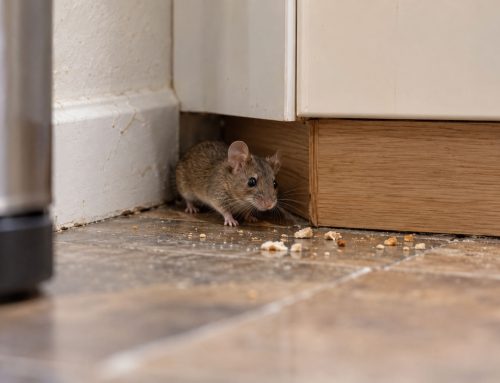
If you’ve ever been lying in bed and heard scratching sounds coming from inside your walls, you already know how unsettling it can be. It starts as a faint rustle, then turns into full-blown scurrying at night, and suddenly, you’re Googling “how to get rid of mice in walls” at 2 a.m.
The good news? You’re not alone, and yes, there are practical, humane, and effective ways to send those tiny squatters packing. Let’s walk through everything you need to know from spotting the signs to evicting mice for good.

How Do Mice Even Get Into Walls?
Before you can solve the problem, it helps to understand how it starts. Mice are really small and can squeeze through gaps as tiny as a dime. Cracks in your foundation, holes around pipes, or gaps under doors are like welcome mats.
Once inside, walls are the perfect hideout. They’re dark, warm, and safe from predators. And if your pantry is nearby, they’ve basically hit the jackpot.
Example: One homeowner in London found out that a loose dryer vent cover was enough for an entire family of mice to move in. They didn’t realise it until they noticed droppings near the skirtings and heard “little footsteps” in the wall at night.
Telltale Signs You Have Mice in the Walls
Sometimes, it’s obvious. Other times, you might second-guess yourself (“Was that a mouse or just the pipes?”). Here’s how to tell for sure:
- Scratching or rustling sounds: Especially at night when mice are most active.
- Droppings: Small, dark pellets found near skirtings or under sinks.
- Gnaw marks: On wires, wood, or even food packaging.
- A musty smell: A sign of nests or urine.
- Pets acting strangely: Cats and dogs might stare at walls or sniff around specific areas.
If you notice two or more of these signs, it’s time to take action fast. Mice reproduce quickly, and a couple can turn into tens within weeks.
Find Out Where They’re Getting In
Inspect your home thoroughly, both inside and out, to find areas where mice can enter.
Look for:
- Gaps around doors and windows
- Holes where utility lines or cables enter
- Unsealed vents or chimneys
- Cracks in the foundation
- Loose siding or brickwork
Block possible entry points with steel wool and caulk, as mice cannot chew through metal. Use wire mesh or metal sheets to cover larger holes and prevent access.
Avoid sealing all entry points immediately if mice are still inside. Leave one or two exits open, set traps nearby, and seal them once you confirm the mice are gone.
Use the Right Traps and Place Them Smartly
Ignore the old image of cheese-baited traps; today’s mouse control requires a more coordinated approach.
Types of traps that work:
- Snap traps: The old-school, effective kind. They kill mice instantly when set correctly.
- Electric traps: More expensive, but cleaner and quicker.
Placement is key:
- Place traps against walls where mice are likely to travel. Ensure the snap faces the wall.
- Set traps near entry points and along paths mice use, guided by droppings or smudges.
- Use bait such as peanut butter, chocolate, or sunflower seeds. Favour foods that are high in protein and aromatic.
Check traps daily and reset them as needed. If you do not catch mice or hear any noise for several days, consider the issue to be under control.
Make Your Home Unappealing to Mice
Remove attractants from your home to deter mice.
- Store food in sealed containers. Avoid open cereal boxes or pet food bags.
- Take out the trash regularly. And use cans with tight-fitting lids.
- Clean crumbs and spills, especially under appliances and furniture.
- Declutter. Cardboard boxes, old newspapers, and piles of clothes are nesting grounds for mice.
- Fix leaks and eliminate standing water. Mice need hydration just like you do.
When to Call a Professional
If you have used traps, sealed gaps, and cleaned but still notice mouse activity, contact a pest control professional.
Professionals have tools and methods that most homeowners do not, such as specialised baits for inside walls, motion sensors, and stronger materials for sealing up holes. They can also identify building problems that allow mice to keep returning.
Tip: Choose a company that employs a combination of cleaning, sealing entry points, and targeted mouse treatment, rather than relying solely on chemical sprays.
How to Prevent Future Infestations?
Inspect your home regularly for new cracks or holes after addressing the mice problem.
- Store pet food and birdseed in metal containers to prevent mice from accessing them.
- Trim vegetation and branches near your home’s exterior.
- Keep compost bins tightly sealed.
Take preventive steps now to avoid future infestations and the problems they cause.
Mice in the walls might make you feel powerless, but you have more control than you think. By understanding how they enter, blocking access, removing attractants, and using effective trapping methods, you can reclaim your home and your sanity.
The goal is not just to remove mice now, but to prevent future ones.
If the scratching’s keeping you up tonight, don’t panic, just start with one small step: locate that entry point. From there, it’s only a matter of time before your walls are quiet again.