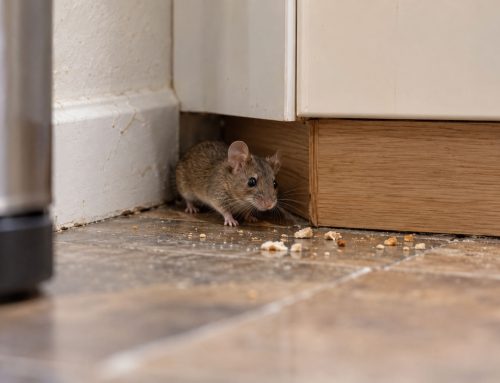
Finding mice in your home can be very unsettling. Although these small animals may seem harmless, they can cause significant health risks, damage to your property, and the worry that comes with an infestation. Just one mouse can contaminate food, chew on electrical wires, and breed quickly. Mice are carriers of diseases such as hantavirus and salmonellosis, which makes preventing their entry into homes a matter of both comfort and safety.
Understanding how mice get into a house is the first step toward preventing infestations. Mice are small but very clever. They can sneak into homes through tiny openings and use smart tricks to find food, shelter, and warmth. This article talks about how mice get into houses, what attracts them, and how homeowners can prevent an infestation.

The Remarkable Agility of Mice
Mice are small and quick animals. An adult house mouse usually measures between 2.5 and 4 inches long, not including the tail. They can squeeze through openings as small as a quarter of an inch. Their flexible bones help them flatten and twist their bodies to fit into spaces that seem too small for them.
In addition to squeezing through tight spaces, mice are excellent climbers and jumpers. They can scale rough vertical surfaces, balance on wires, and leap up to 30 cm high. These physical abilities allow them to exploit vulnerabilities in a home that a human might overlook, from gaps near rooflines to cracks in foundations.
Common Entry Points for Mice
Mice do not randomly wander into homes; they identify weaknesses in the building envelope and take advantage of them. Some of the most common entry points include:
Gaps Around Doors and Windows
Worn weather stripping, poorly sealed thresholds, or small cracks near window frames often provide easy access. Because these areas are used daily, wear and tear develops quickly, and mice are adept at sensing drafts and following them indoors.
Cracks in Foundations and Walls
Concrete and brick foundations may appear solid, but time, moisture, and settling create hairline cracks and gaps. Mice can widen these openings with persistent gnawing, eventually creating a pathway into basements or crawl spaces.
Vents and Utility Openings
Modern homes require multiple external openings for utilities such as plumbing, electrical wiring, and air vents. Where pipes or cables enter, gaps are often left unsealed or poorly maintained. Dryer vents and attic vents also provide convenient openings for rodents if they are not screened.
Rooflines and Eaves
Climbing mice can gain access to attics by squeezing under loose shingles, soffits, or eaves. Once inside, the attic offers warmth and insulation material for nesting, making it an attractive destination.
Garage and Basement Doors
Garages are frequent entry points because doors may not fully seal against the ground. Once inside the garage, mice can move through internal walls into the main living space. Basements with old windows or unsealed entryways present similar opportunities.
What Attracts Mice to Homes?
Entry points alone do not explain infestations; there must also be incentives for mice to move in. The primary attractions are food, water, and shelter.
Even small crumbs or poorly sealed food containers can sustain a mouse for days. Birdseed in the garage, pet food bowls left out overnight, or improperly stored dry goods are irresistible. Mice are also drawn to cluttered areas, such as storage boxes in basements or attics, where they can hide undisturbed.
Seasonal changes amplify these attractions. In colder months, mice seek warmth and protection from predators. During dry spells, they may be drawn to leaky pipes, pet water bowls, or condensation in basements. A home that offers all three, food, water, and shelter, is an invitation.
Case Studies and Real-World Examples
Pest control companies often find that homeowners are unaware of how mice enter their homes. For example, a suburban family found mouse droppings in their pantry, even though their house seemed to be sealed. An exterminator later discovered that mice were coming in through a gap no bigger than a pencil around a gas line. Our study found that newly built homes can also have pest problems. Our researchers observed mice entering through small gaps left unsealed during construction. This shows that both older homes and new ones can have issues with pests due to overlooked details.
Health and Safety Implications
Many homeowners worry about having rodents in their homes because they are unpleasant. However, the health and safety risks are more serious. Mice can spread germs and viruses through their droppings, urine, and saliva. The UK Health Security Agency (UKHSA) warns that, while rare, people can contract hantavirus by breathing in dust contaminated with rodent waste.
Additionally, their constant need to gnaw creates fire hazards. Rodents can damage electrical wiring, insulation, and structural parts. A 2017 study found that rodent damage was linked to many unexplained house fires. This highlights the importance of not only removing mice but also preventing them from entering in the first place
Preventing Mouse Entry
Understanding how mice enter is only useful if that knowledge is applied to prevention. Sealing gaps with steel wool and caulking, maintaining weather stripping, and installing vent covers are effective steps. Regular inspections, especially before winter, help identify new vulnerabilities.
Cleanliness plays an equally important role. Store food in airtight containers and clean up crumbs or spills quickly. Keep basements, attics, and garages tidy to reduce places for pests to nest. For long-term protection, consider using professional pest control for mice. We can inspect your home and suggest treatment strategies.
Mice do not randomly enter homes; they look for food, water, and shelter by taking advantage of weak spots in a building. They can squeeze through small gaps, climb, and chew, making any house vulnerable if it is not properly maintained. There are many ways for them to get in, such as through gaps around utility lines or poorly sealed doors.