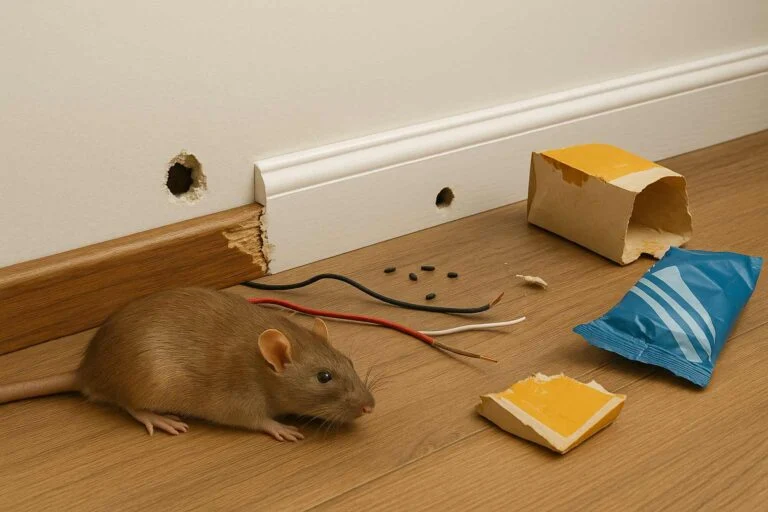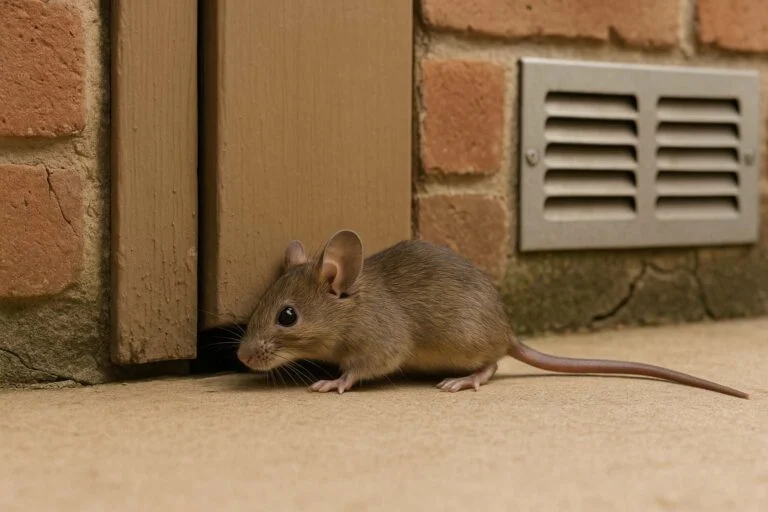
- Responsibility depends on the cause and the condition of the home.
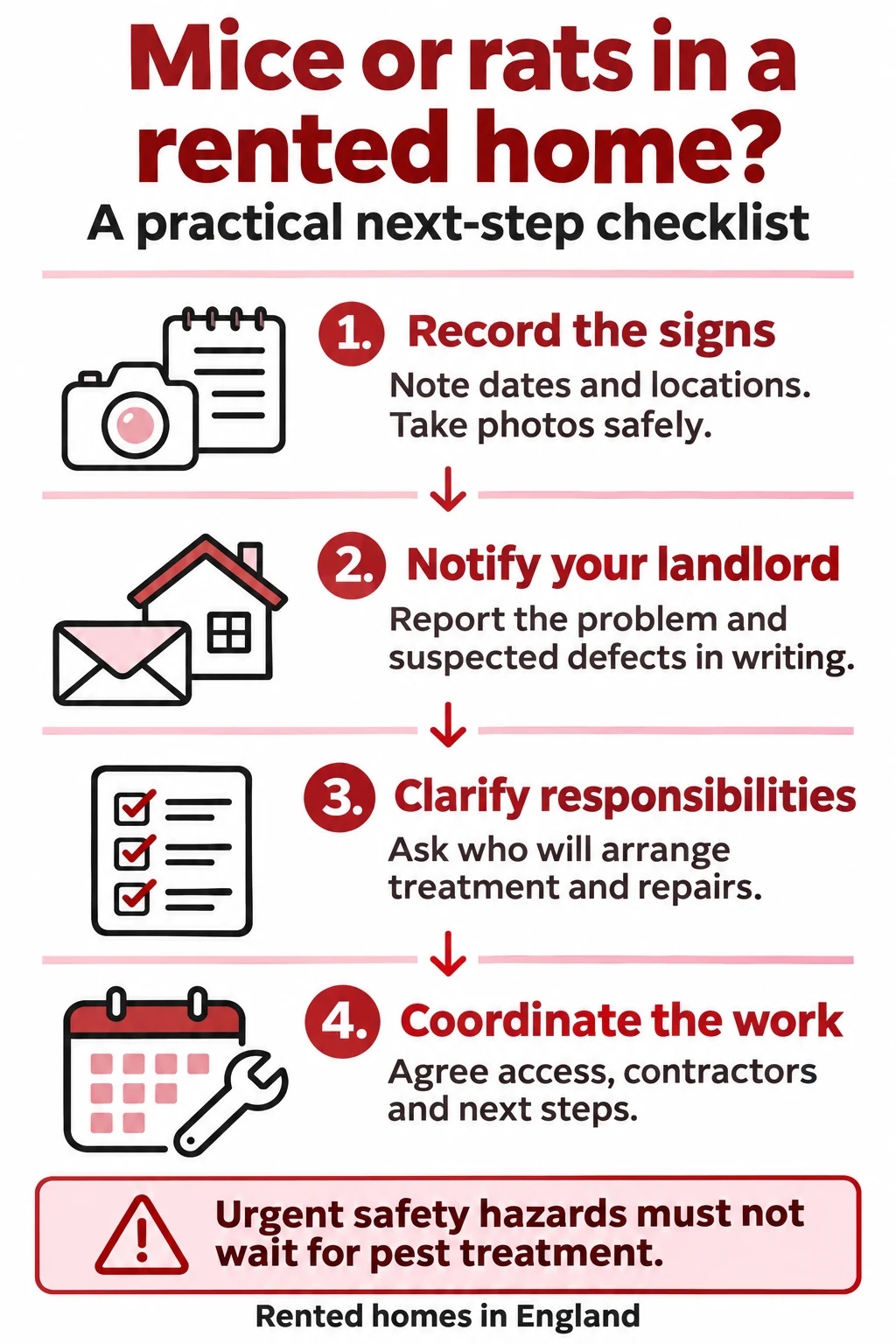
- Report signs, damage and suspected access defects in writing.
- Urgent electrical or building hazards must not wait for pest treatment.
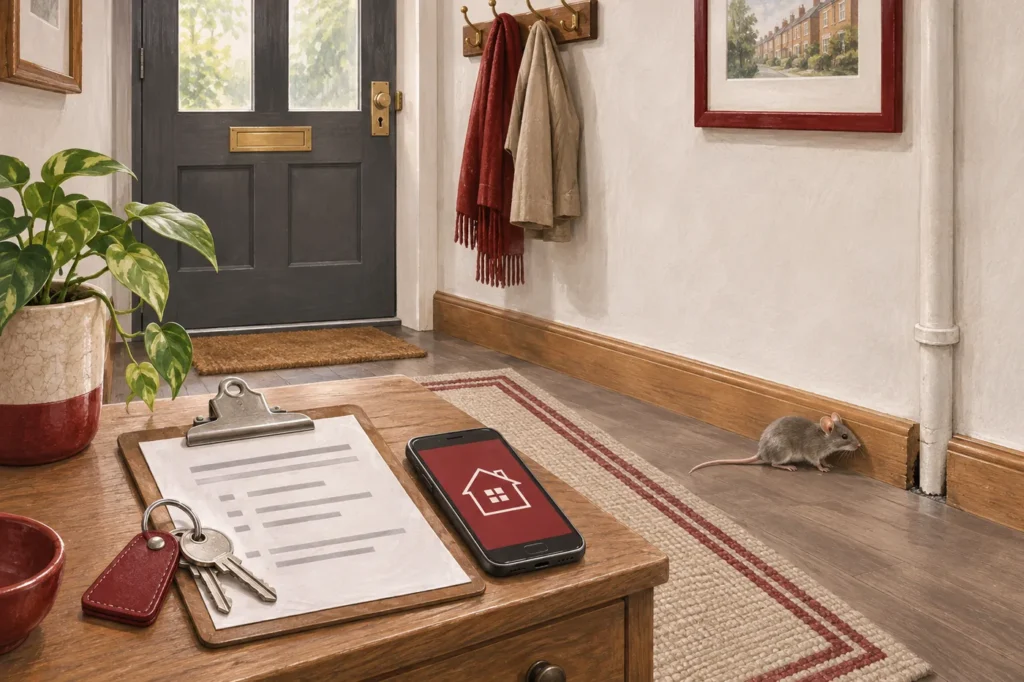
Finding mice or rats in a rented flat or house raises two different questions: who should arrange pest treatment, and who should repair any damage or defects? The answers can depend on how the rodents entered, the condition of the home and the circumstances of the tenancy.
This guide covers rented homes in England, including London. It provides general information rather than a decision about liability in an individual case.
When Is the Landlord Responsible for Mice or Rats?
A landlord must address an infestation caused by disrepair they are responsible for fixing. They must also keep the home fit to live in; pests present at the start of a tenancy should be raised with them promptly. Shelter’s guidance on pests in rented homes explains these responsibilities.
A useful starting point is to identify possible access defects alongside the activity. Report a damaged window frame, broken vent or gap around building services, rather than describing only the animal you have seen. An inspection may help establish the route, but a sighting alone does not establish who is legally responsible.
When Could the Tenant Be Responsible?
A tenant could be responsible if their actions encourage the infestation, such as leaving food or waste exposed. Keep food secure, close bins and report signs promptly. The presence of rodents alone does not demonstrate poor housekeeping or prove fault.
Check your tenancy agreement and ask for an explanation of any proposed charge. If responsibility is disputed, obtain housing advice before accepting liability or assuming that you can recover the cost of a privately booked visit.
Who Should Arrange Repairs to Wiring, Walls and Ceilings?
GOV.UK’s guidance on rental repairs identifies the structure and exterior, electrical wiring and several other installations as landlord repair responsibilities. Tenants can also be liable for damage they cause. Responsibility for a particular repair needs to be considered separately from the pest-control bill.
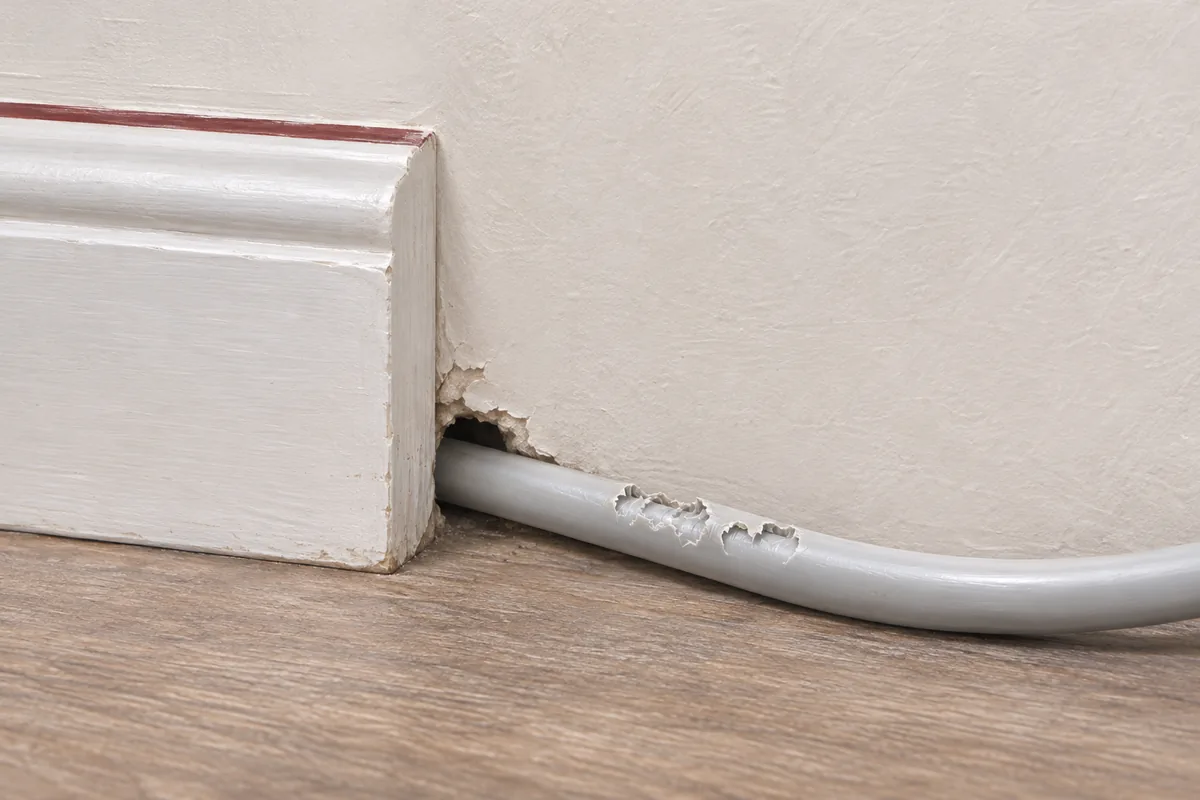
Mice and rats can damage walls, pipes and electrical wiring, with potential fire or flooding hazards. HSE’s guidance on rodent damage confirms these risks. This does not mean that every infestation causes a fire.
A hole in plasterboard or a ceiling lining is property damage, but it does not by itself establish damage to the load-bearing structure. Ask an appropriate contractor to assess the affected material and cause. Our separate guide to the damage rats can cause in a home covers the physical warning signs in more detail.
Do not wait for pest treatment to deal with an immediate safety risk. Keep away from exposed wiring and unstable materials. Arrange urgent professional assessment through the landlord or emergency repair contact. A qualified electrician should assess suspected electrical damage; a handyman is not a substitute for that work.
How to Report the Problem and Record Evidence
The government’s How to rent a safe home guide recommends reporting concerns in writing and keeping a copy, with serious hazards reported immediately. A reasonable response time depends on the circumstances and urgency.
Make the report easy to act on. Include:
- The address, affected rooms and when signs first appeared.
- What you actually observed: sightings, droppings, noises or accessible damage.
- Photographs taken from a safe position, with dates where possible.
- Any suspected access defect, earlier repair report or previous treatment.
- Any safety concern, effect on the household or access arrangements that need consideration.
Ask who will arrange the inspection, treatment and separate repairs, and request confirmation of the next steps. Keep messages, inspection findings and invoices together. Do not pull apart a wall or enter an unsafe ceiling void just to obtain evidence.
What If the Problem Is in a Block of Flats?
Report activity in shared corridors, service areas or other communal spaces as well as inside the flat. The landlord may need to involve the building owner or managing agent. Shelter explains that the arrangements can differ depending on who owns the building.
For example, an inspection inside one flat and a repair to a shared service route may require different access permissions. Ask for one clear contact to coordinate the work and record which areas have been checked. Do not assume that treating one room has investigated the whole building.
What If the Landlord Does Not Take Action?
Follow up in writing, referring to the original report and any continuing signs or hazards. Ask for a response and use the landlord’s complaints procedure where appropriate.
You can contact the council’s environmental health team about unresolved hazards. Shelter advises tenants not to stop paying rent over a pest dispute. Seek housing advice before deducting treatment or repair costs from rent.
For social housing, the Housing Ombudsman’s pests support guide explains complaints and escalation within its remit. The appropriate route depends on the landlord and tenancy; the Ombudsman is not a general complaints service for every private rental.
How Should Treatment and Repairs Be Coordinated?
Agree who will book each contractor, approve costs and provide access. Pest treatment, electrical repairs, building repairs and specialist cleaning are different tasks. If you book work yourself without agreement, do not assume reimbursement is guaranteed.
Mouse Hunter provides domestic inspection, treatment and prevention advice for homeowners, tenants and landlords in London. See our mouse control service or domestic rat control service for the relevant treatment information. We do not determine legal liability or carry out electrical work, proofing, sealing or building repairs.
After a Mouse Hunter treatment, our routine advice is to arrange a handyman to fill holes and seal potential entry points 20 days after treatment, following the instructions for the property. This timing concerns routine sealing after treatment, not an instruction to delay urgent safety repairs. Tell us about any planned repair work so the treatment and contractor visits can be coordinated.
Does a Repair Duty Mean Compensation Is Automatic?
No. Arranging necessary repairs and resolving a claim for damaged belongings are separate matters. Keep evidence of the loss and the reports you made, and get case-specific housing or legal advice about a disputed claim. A pest inspection can record findings, but it cannot decide compensation entitlement.